
Driveway Economics
By Buffy Hastings
My grandmother grew up in rural Maine. The Depression and World War II left her with two lifelong habits. The first was a large and constant garden at home and the second was to purchase the bulk of her food direct from the farmer. And by that I mean driving up the driveway and knocking on the door. For as long as she and my grandfather lived in Stockton she kept these habits. Certain things, unavailable from a local farm, were bought at Errico’s; the charcuterie and specialty cuts of meat were bought at Maresca’s. Otherwise, she grew it or got it from a farmer she knew.
When she died I don’t think she’d ever been in a supermarket.
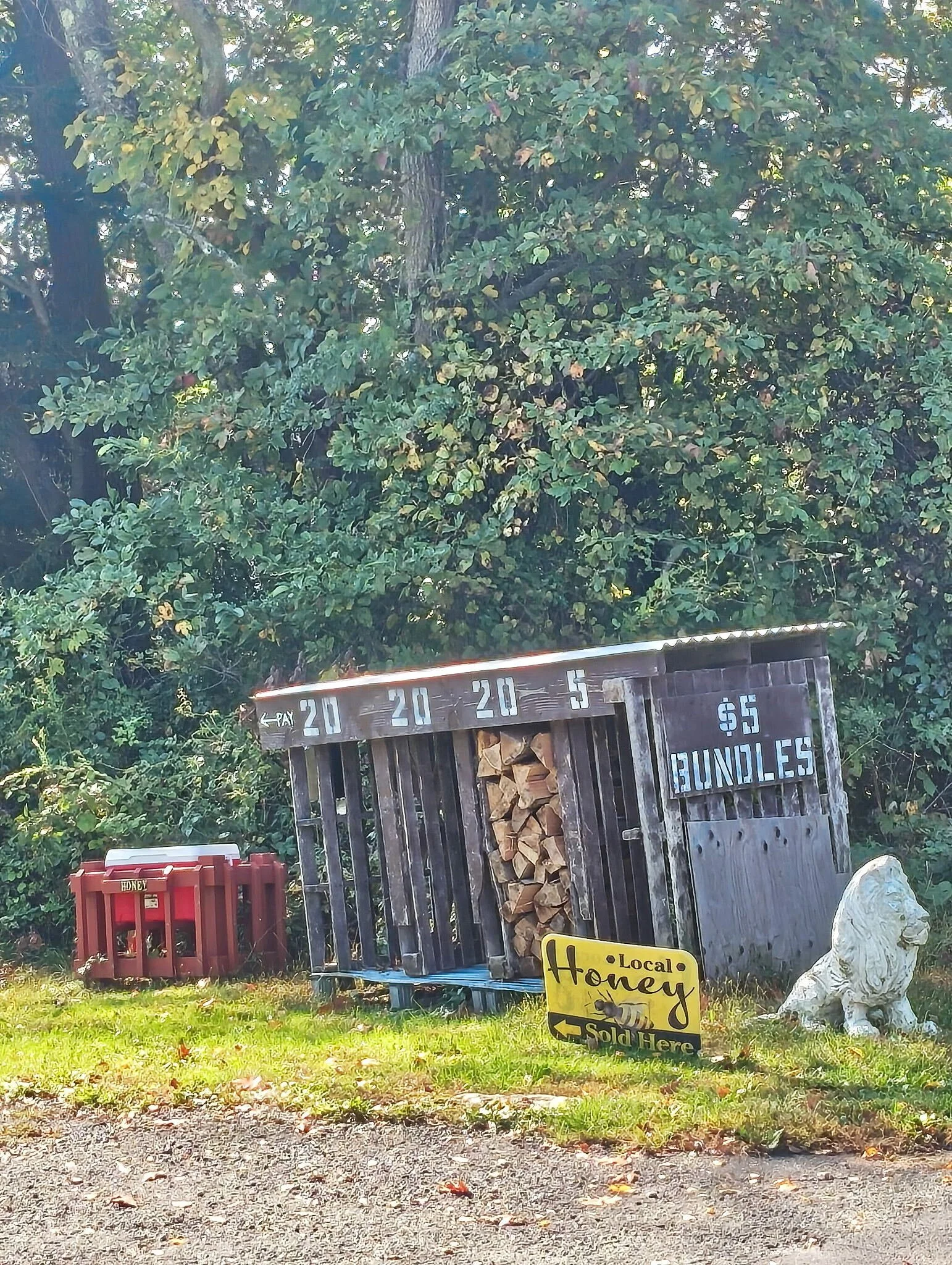
As I drive around Sourland Mountain I’m heartened to see so many stands at the end of driveways offering food and products for sale. It signals a type of life my grandmother would have recognized. More importantly it speaks of an awakened human desire and of a great possibility we are only just tapping into.
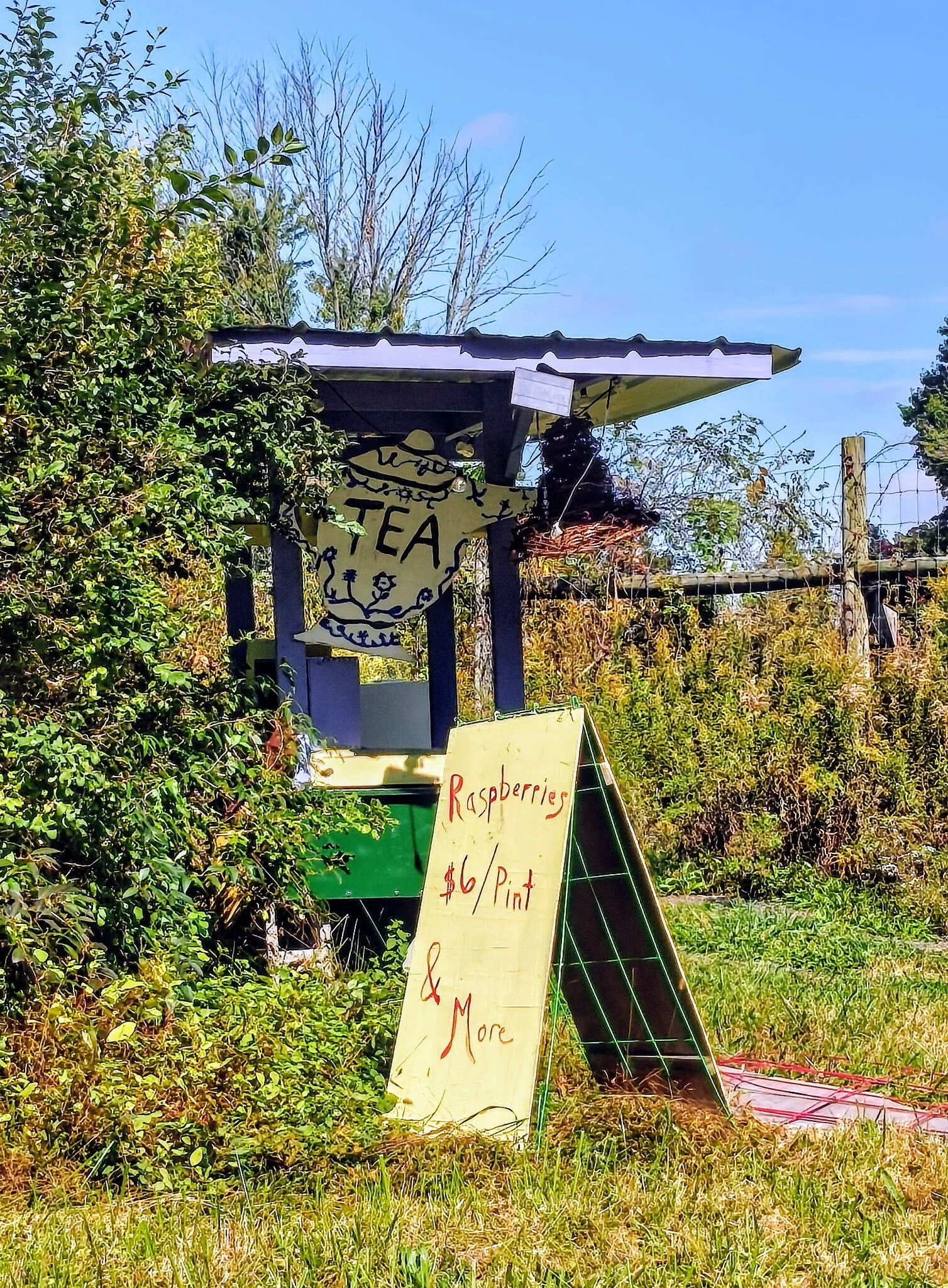
The stand at the end of the driveway speaks to much the same urge the sourdough baking boom of the pandemic did. It speaks of a people realizing they’ve turned much of their independence over to others, making them dependent. And if we are dependent can we be free? In realizing that independence has slipped the turn to baking, like the turn to offering for sale things grown and made at home, is an attempt at regaining lost independence. More importantly it is an effort to prove to one’s self that if forced the person can go it alone. The driveway stand is a return to a home based economics, to the home as a place of production. We live in a time where many people wake in the morning, go to a job outside the home, and typically in a different place than their spouse, while the children go to other places the parents aren’t for the day. After the jobs, school, and activities, the family reconvenes in the house for a few hours before going to sleep. It seems odd to work so hard to pay for something you are in so little. But that divorce, from one’s dwelling, and from the products of one’s labor, is purposeful, and it keeps the bulk of America providing for others while barely taking care of themselves. By turning the house into a place of production---of food, of craft---we open up the possibility of self-employment, of removing ourselves from the cycle of leaving houses each day to pay for them. Let the house, the land, pay for itself through the work wrought out of it. It will pay for itself in other ways too: more time spent at home, more creative time, more time with family and a deeper and closer ability to see the products your hands create. It’s not just eggs in a cooler at the end of the driveway, it is a step toward utilizing your property to make a sustaining life and employment. Imagine if whole roads coordinated about who offered what at the end of their driveway. The whole road would be able to source their weekly grocery needs within walking distance. If crafts were involved whole communities could source furniture, pottery, art, clothing this way. This would keep money in our communities in profound ways. Better yet, it would be an excuse to barter.
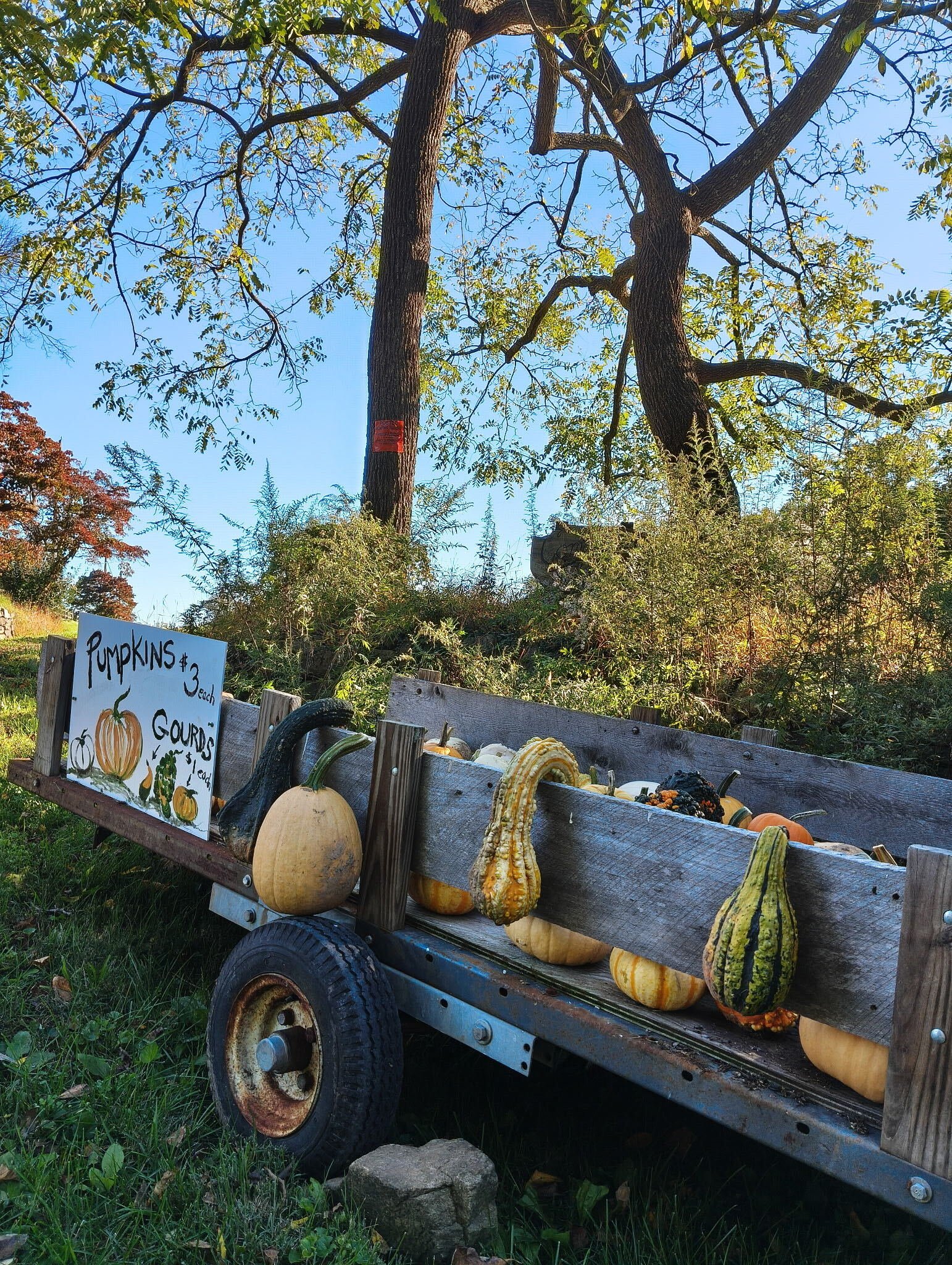
The driveway stand relies on a cash box. Though sometimes I’ll see Venmo options, there’s always the cash box. It is the rare occasion I see a camera watching the cash box. In a time of deep distrust---of institutions, of government, of others---the cash box is a beautiful recognition of trust and trust in one’s community. It is elegant and it is simple. Sometimes that is all that is needed.