[ Advocacy Campaign ]
Hillsborough Warehouses (Past)
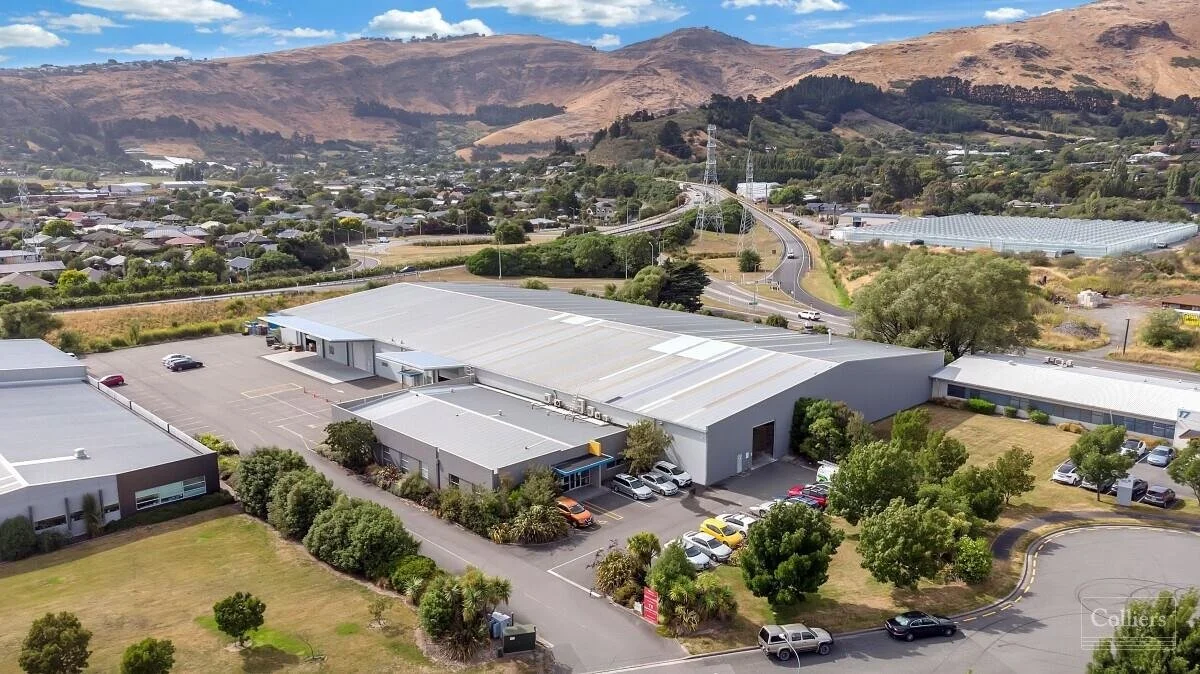
The Sourland Conservancy formally opposed the proposed warehouse variance application for Homestead Road. We successfully urged the Planning Board to deny this variance due to the significant and irreversible environmental threats it posed to the habitat corridor connecting the Sourland Mountain Region to Duke Farms and other green spaces throughout New Jersey and beyond.
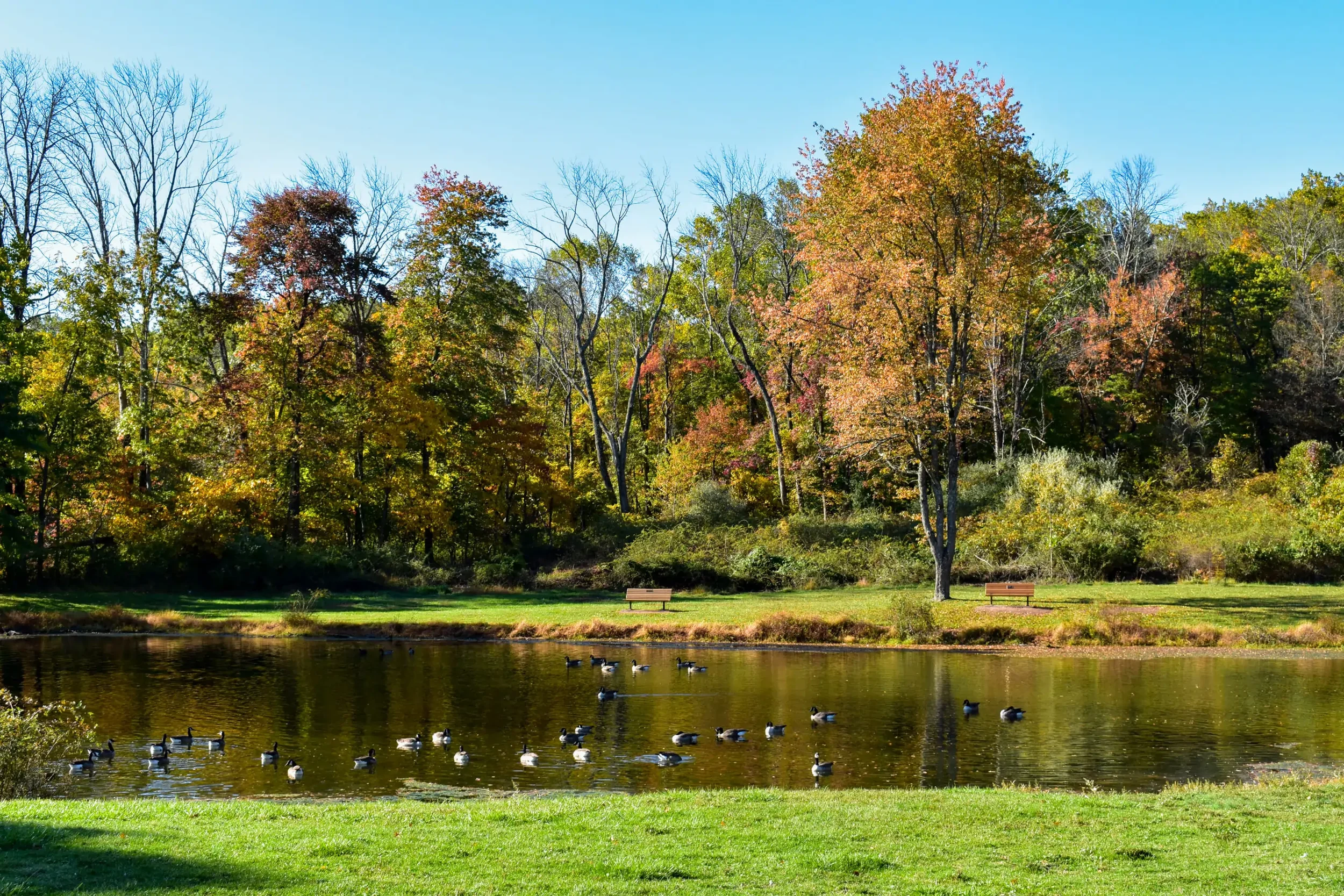
The Sourland Mountain Region is an ecologically sensitive and irreplaceable landscape, supporting diverse wildlife and acting as a vital habitat hub in one of the nation’s most densely populated state.
Spanning over 90 square miles across three counties, the Sourlands serve as a critical wildlife corridor, a natural carbon sink helping to mitigate climate change, and a filtration system for clean air and water.
The Watershed Institute estimates that more than 800,000 residents in New Jersey and Pennsylvania rely on the Sourlands for some or all of their drinking water.
Safeguarding New Jersey’s Critical Wildlife Corridor from Irreversible Threats
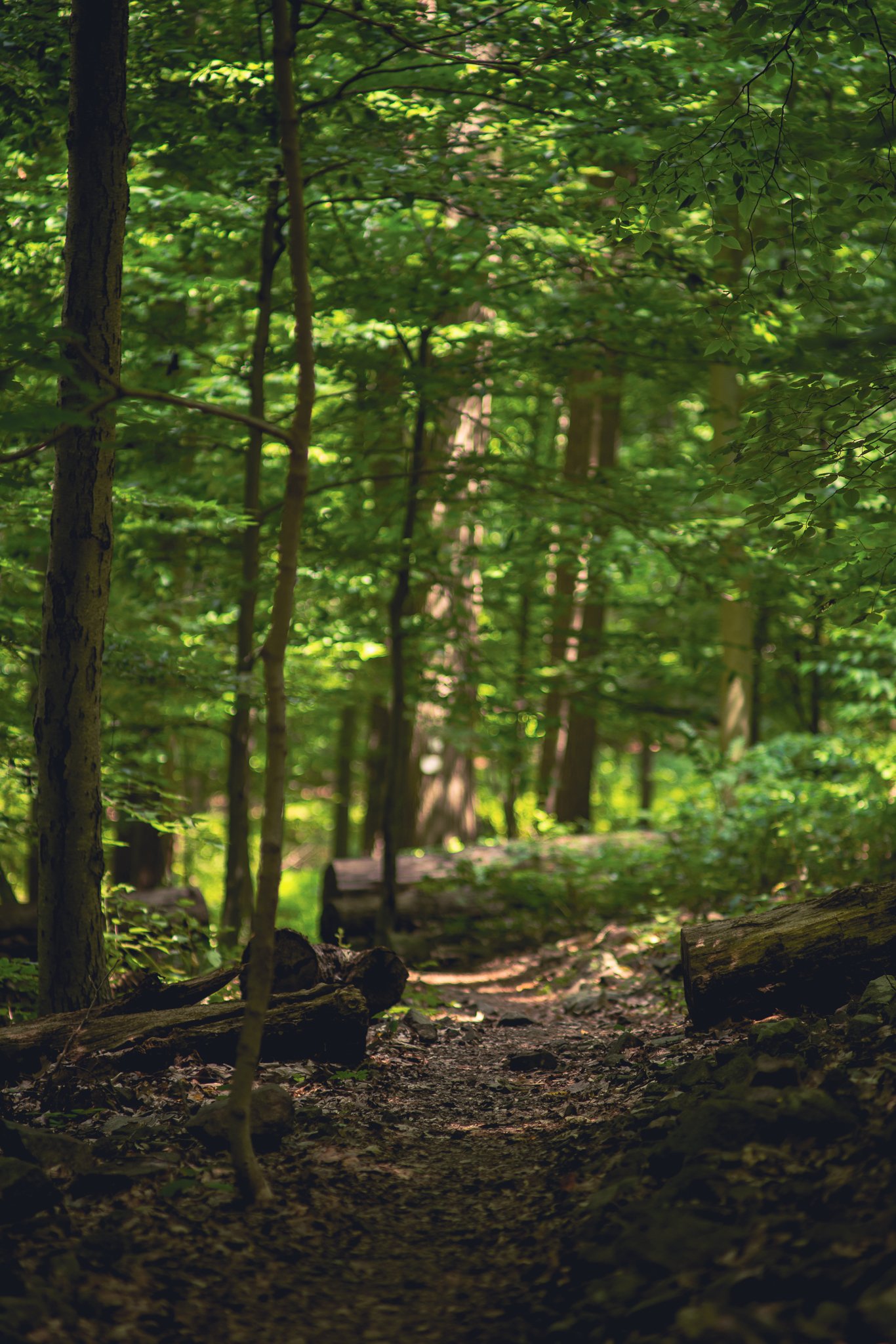
Despite its immense ecological value, the Sourlands face unprecedented threats, including the Emerald Ash Borer infestation, Beech Leaf Disease, deer overbrowsing, invasive species, and increasing development pressures. Without immediate and responsible intervention, these challenges will have far-reaching consequences for water quality, biodiversity, and climate resilience.
The Hillsborough Township Committee has recognized the region’s significance by adopting a resolution supporting its designation as an “Area of Critical State Concern” in the New Jersey State Plan. Additionally, the New Jersey Department of Environmental Protection (NJDEP), through its Connecting Habitat Across New Jersey (CHANJ) program, has identified this area as a key wildlife corridor essential for biodiversity and species movement. The proposed warehouse would sever this vital connection, endangering resident and migratory species and permanently compromising the region’s ecological integrity.

To quote the NJDEP’s CHANJ program:

"Whether they’re small like a salamander or big and wide-roaming like a bear, animals need to be able to move through the landscape to find food, shelter, mates, and other resources. Without that ability to move, healthy populations simply will not persist over the long term. Here in New Jersey, wildlife are up against steady urbanization, a dense network of roads, and now a changing climate, all of which put the connectedness of our habitats and wildlife populations in jeopardy.”
How One Warehouse Could Create a Biological Dead Zone in Hillsborough
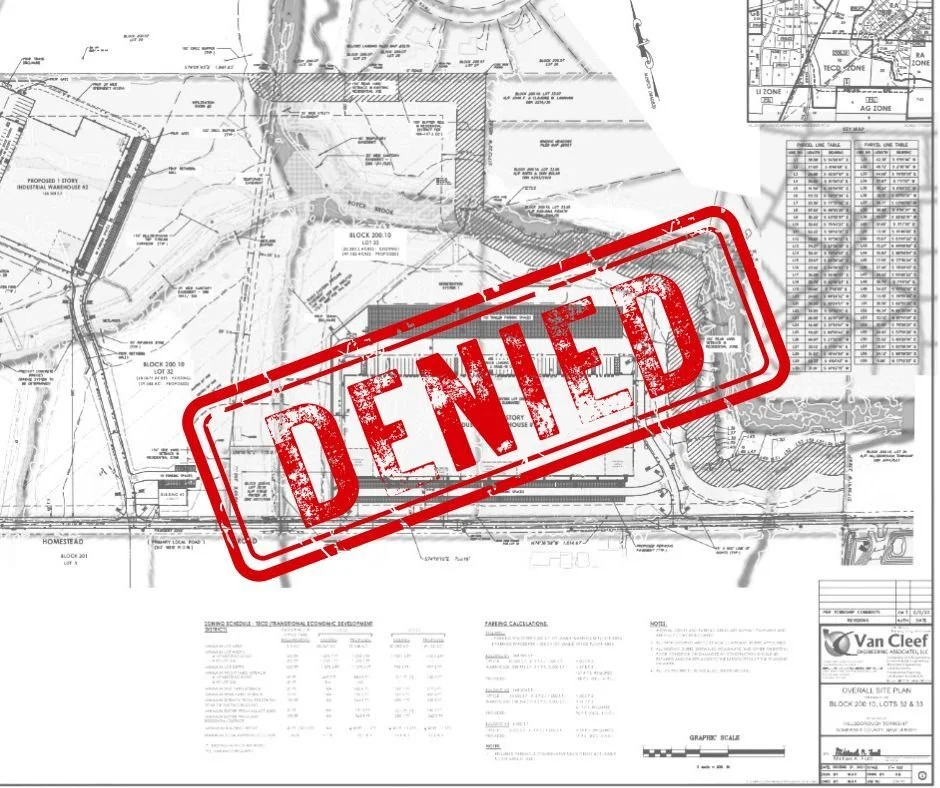
Wildlife corridors are nature’s highways, providing safe passage for species crucial to our ecosystem. This project would effectively eliminate one of Hillsborough’s two fragile wildlife corridors, disrupting the interconnected web of life in ways that cannot be undone.
Furthermore, the applicant’s environmental witness, Edward Kuc, based his conclusions on site visits conducted only in the late fall and early winter (October 2022, November 2022, and March 2023)—a time when many migratory species are absent. This limited assessment fails to capture the full ecological significance of the site, which may support kestrels, bluebirds, red-winged blackbirds, warblers, meadowlarks, owls, and other species of concern. A springtime survey would undoubtedly reveal a far richer biodiversity.
Bird and insect populations are already in rapid decline across North America, and municipalities like Hillsborough are working diligently to strengthen local ecosystems for both wildlife and human health. Yet, this project would erase an entire local habitat, impacting not only visible species but also millions of unseen, yet essential, organisms—from soil microbes and insects to small mammals like voles and mice—that form the foundation of a thriving ecosystem. Paving over this land for an enormous warehouse and parking lot would obliterate this delicate balance, creating a biological dead zone in an area currently supporting critical life.
Additionally, the proposed warehouse is fundamentally incompatible with the existing rural and residential character of the surrounding area. It would introduce:
⚪ Increased traffic congestion and safety hazards
⚪ Excessive noise and light pollution disrupting local residents and wildlife
⚪ Potential contamination of water sources affecting both humans and ecosystems
⚪ A massive expanse of impervious surface, increasing flooding risks and further degrading water quality
The Sourland Conservancy urges the Planning Board to prioritize sustainable development and conservation by rejecting this variance application. If development within this corridor is unavoidable, we strongly recommend eco-conscious design measures, including:
⚪ Preserving native habitat with dedicated areas for indigenous shrubs, grasses, flowers, and trees
⚪ Eliminating invasive species and maintaining intact soil to support biodiversity
⚪ Avoiding large, continuous retaining walls that obstruct wildlife movement
⚪ Implementing warm-season grass plantings to support ground-nesting birds
⚪ Restricting mowing to February or March to protect critical wildlife habitat
⚪ Preserving New Jersey’s wildlife corridors and maintaining ecological balance is not just an environmental responsibility—it is a duty to future generations, ensuring they inherit a landscape rich in biodiversity, clean water, and healthy ecosystems.
Volunteer Opportunities