[ Advocacy Campaign ]
Deer Management
The overpopulation of white-tailed deer poses an existential threat to the Sourlands, where the deer population can reach more than 130 per square mile — more than 10 times the sustainable level!
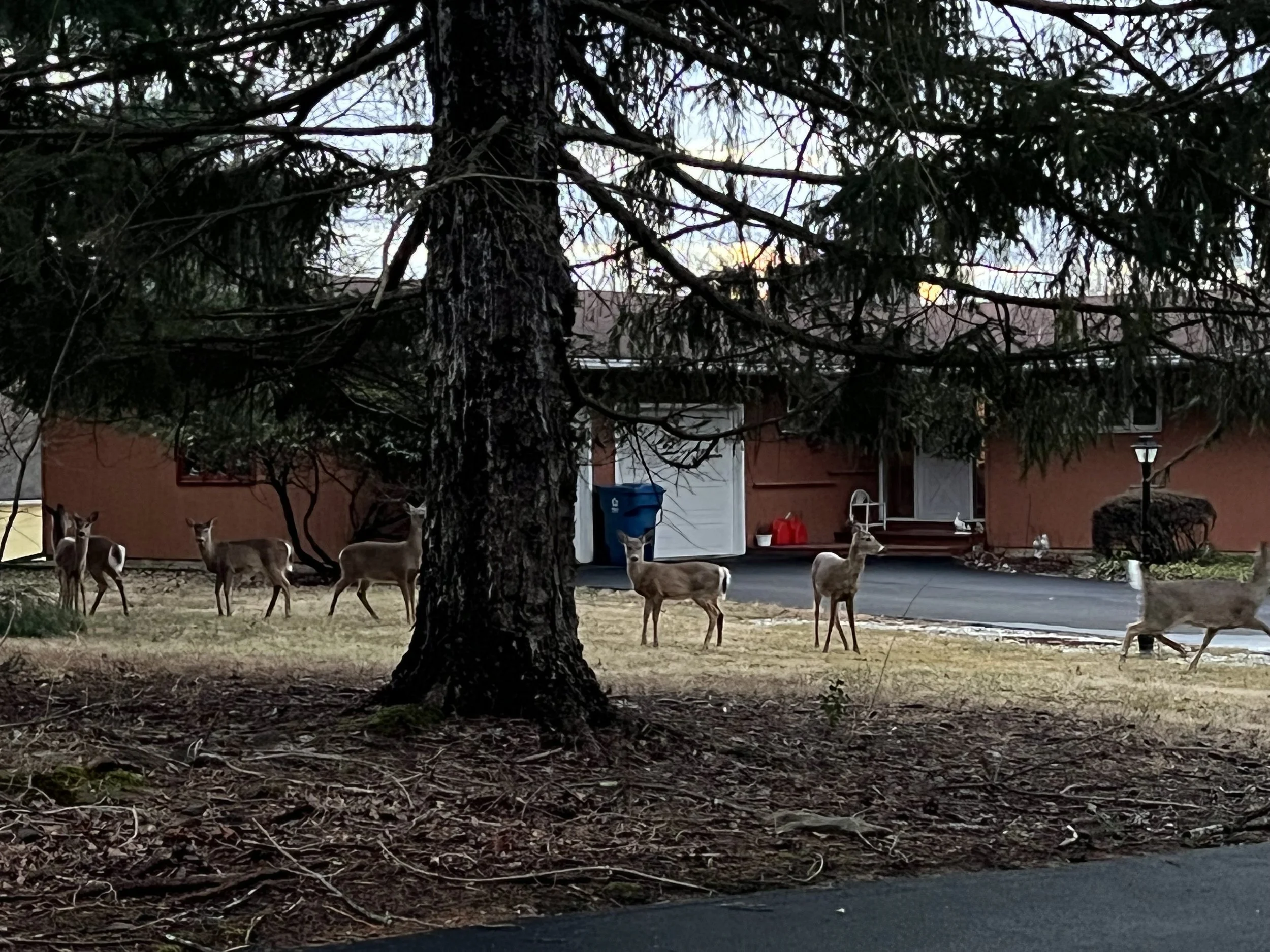
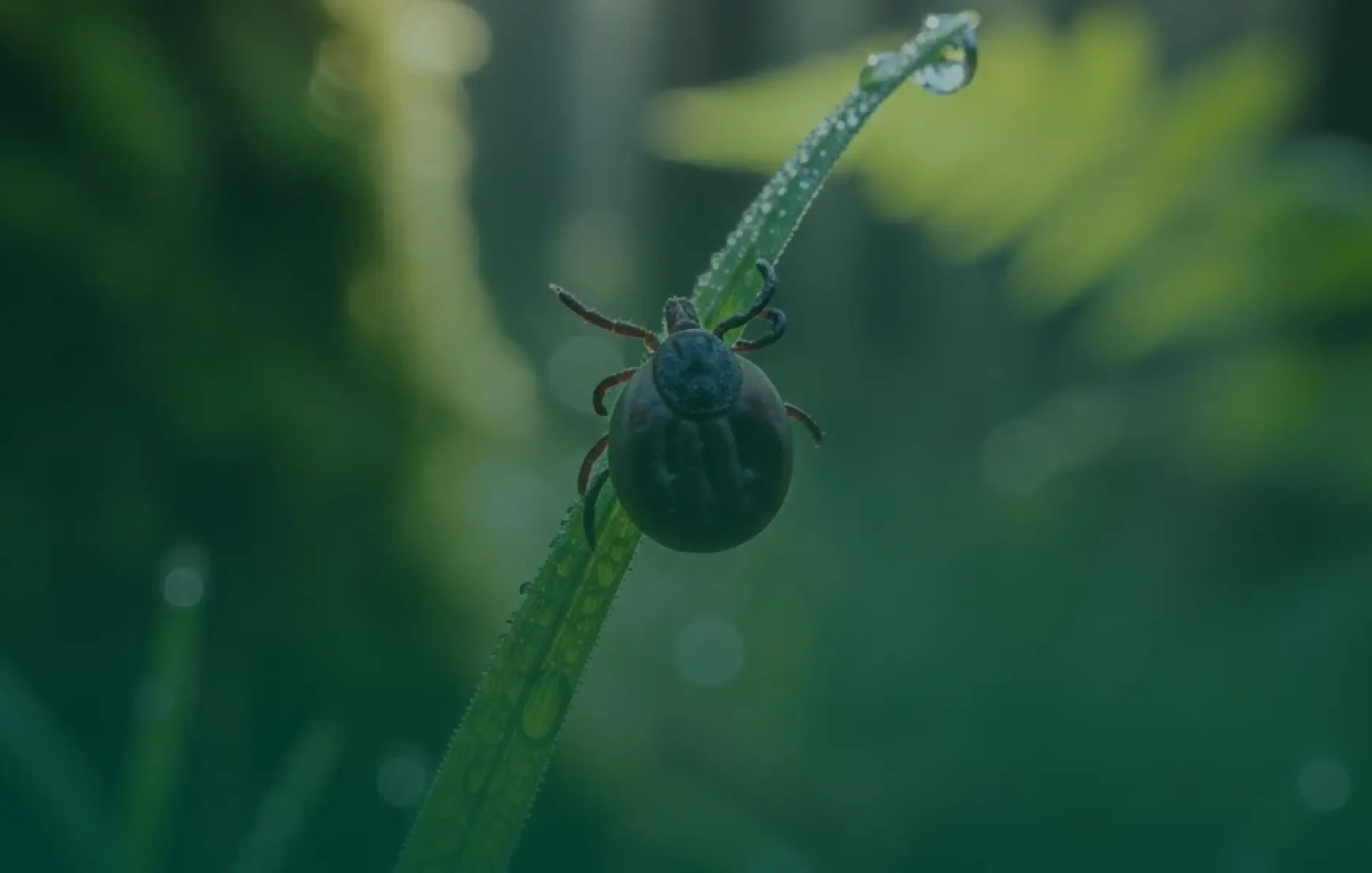
The effects on humans include …
Epidemic levels of Lyme disease (spread by deer ticks)
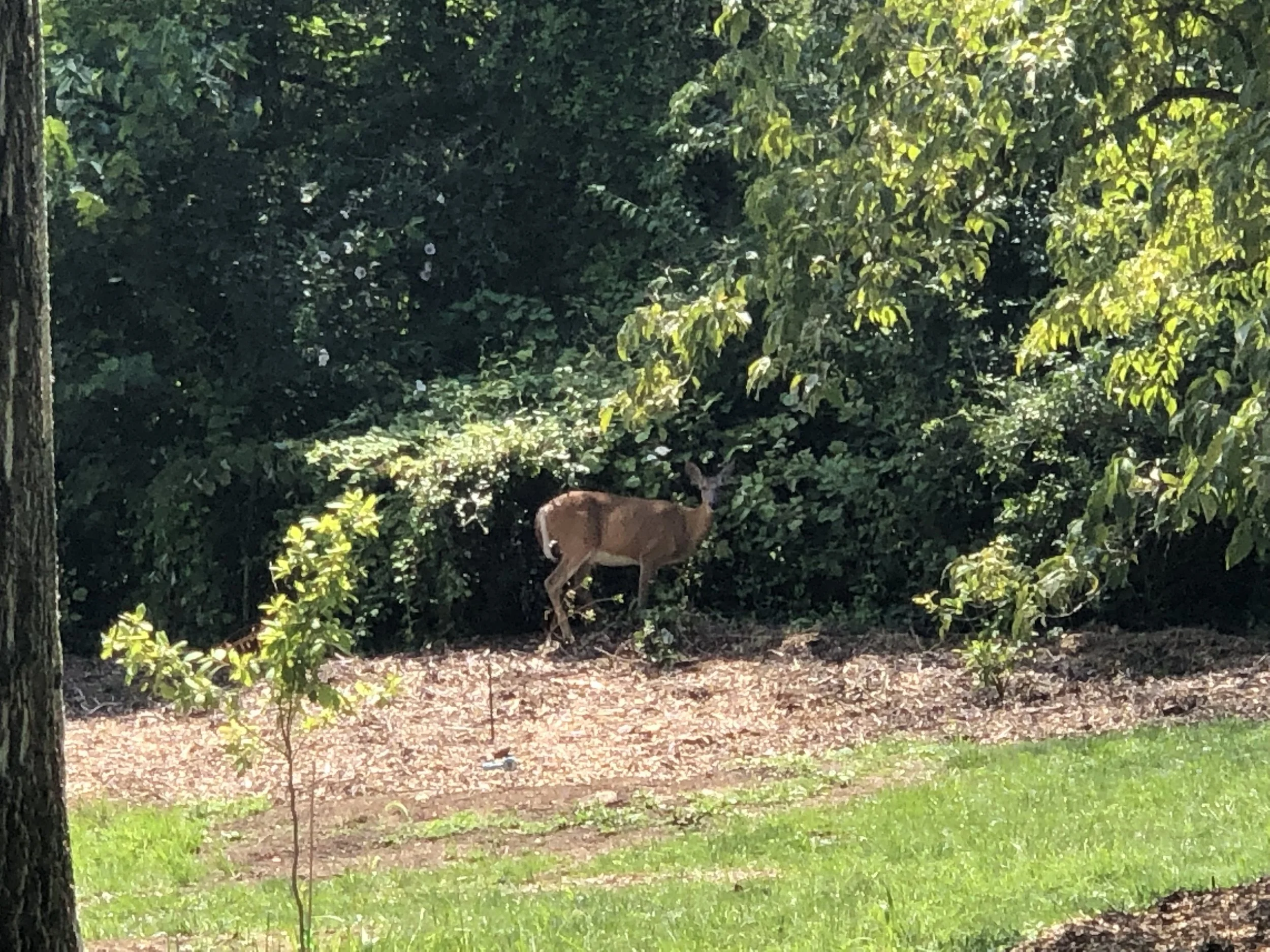
The destruction of gardens and landscaping
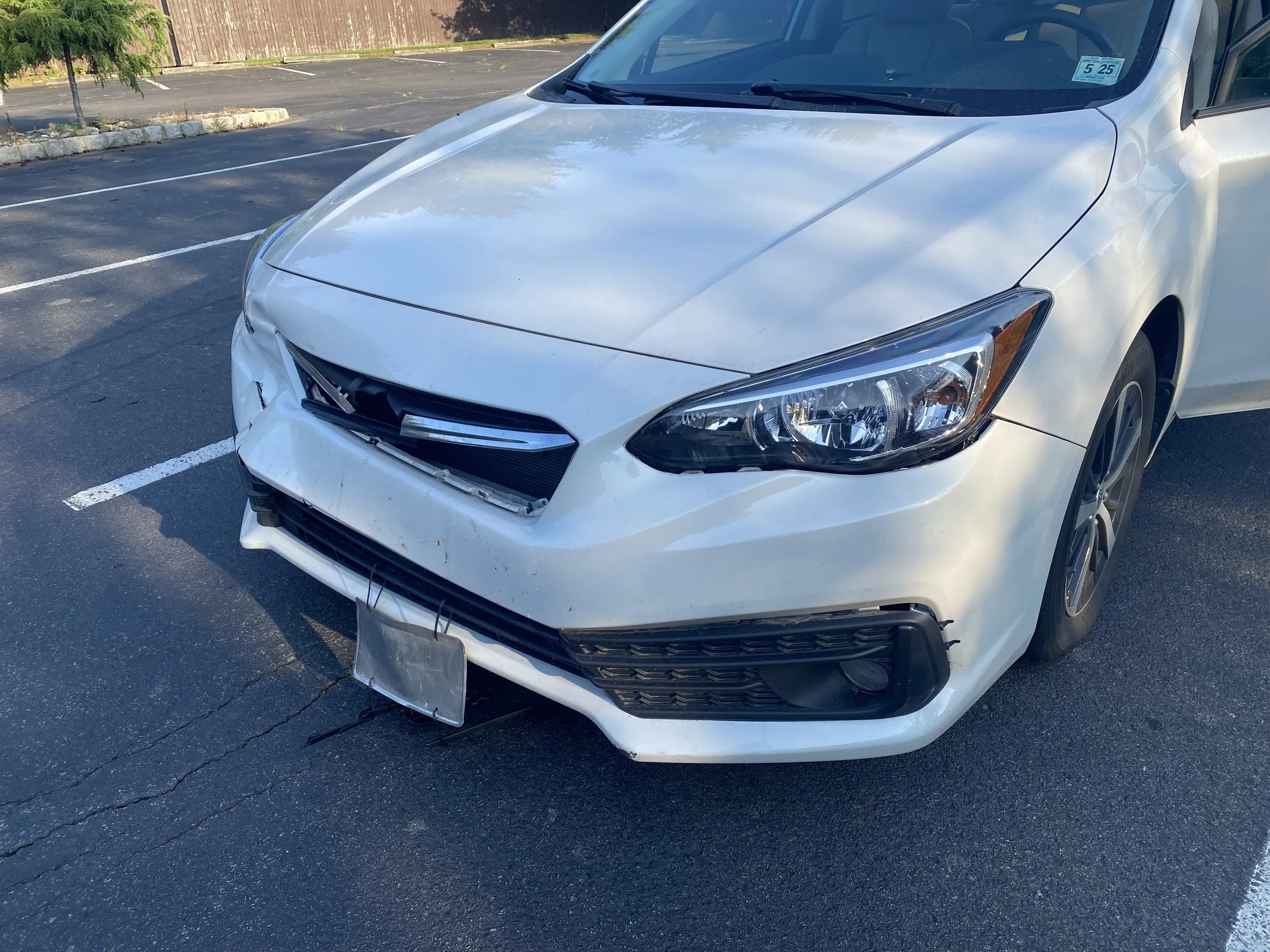
High rates of automobile accidents
Because deer browse and kill nearly all the saplings and seedlings they encounter, the herd poses an existential threat to the forest itself
As mature trees die, there are few viable young trees to take their place. Invasive plants proliferate in these openings, creating permanent holes in the forest.
FAQ’s
-
White-tailed deer are important native animals in intact natural ecosystems. However, the scale of the deer population has exploded beyond the carrying capacity of our remaining wild landscapes.
Deer overpopulation has had negative impacts on native plants and wildlife, agriculture and human health, and the health of the deer themselves.
In the Sourlands, deer population counts from spring 2013 project a post-birthing population of 135 deer/square mile. This is more than 13 times the estimate of 10/square mile that wildlife biologists have made for deer populations before the year 1492.
In our area, natural predators of deer — bears, wolves, cougars and bobcats — have been eliminated, or very nearly so. Human hunting patterns have changed from year-round subsistence hunting practiced by Native Americans and early colonists to seasonal hunting with an emphasis on taking trophy bucks instead of does.
At the same time, forests have been fragmented by development, creating more of the edge-of-woods, suburban, and agricultural habitat preferred by deer. These factors have permitted the deer population to grow to an unsustainable extent.
-
Deer overpopulation causes adverse economic impacts, human health and safety issues, and ecological degradation.
Human Health and Safety
Deer are now the second-largest cause of automobile accidents in New Jersey, trailing only drunken driving.
The current epidemic of Lyme disease — a serious and potentially debilitating infectious disease — is largely attributable to deer ticks.
Economic Impacts
Farmers in New Jersey suffer crop losses of over $15 million annually due to deer herbivory. Damage to landscaping in neighboring New York State amounts to $49 million annually, no figures were available for New Jersey. The economic impact of deer-vehicle collisions in New Jersey is $38 million dollars a year.
Impact on Other Wildlife and Plants
A healthy forest should have canopy trees, saplings, shrubs, and an herb layer of flowers and grasses. Unsustainable levels of deer browse inhibit tree regeneration and decrease diversity and abundance of native wildflowers and shrubs.
Degradation of natural plant communities directly impacts the numerous wildlife species that depend on native plants for shelter and sustenance, dramatically diminishing populations of species ranging from songbirds to butterflies.
The destruction of tree seedlings and saplings means that when canopy trees die, there are no juvenile trees to replace them.
Deer overbrowse also leads to the invasion of non-native plant species, which fill the void left by the disappearance of native plants but do not adequately fill ecological roles as sustenance and structure for wildlife.
-
Deer hunting can occur on any property as long as hunters are at least 150ft (bowhunting) or 450ft (guns) from the nearest potentially occupied structure. Hunting within these safety zones is also possible but requires permission from all affected property owners and/or neighbors whose zones are hunted within.
-
Hunters are often looking for huntable land. Spreading the word among friends, family, and acquaintances can result in finding hunters for your property. However, it is important to interview potential hunters to establish a level of trust and to ensure that prospective hunters are willing to work towards your deer management goals.
Hunters are sometimes willing to pay for the privilege of hunting land. Alternately, the service of deer herd reduction can be looked at as adequate compensation for hunting access.
-
All hunters in New Jersey are required to be licensed by the State’s Division of Fish and Wildlife. The licensing process includes hunter education as well as marksmanship testing.
Safety zones, as described above, reduce the risk of hunting related accidents by buffering potentially occupied structures.
The common practice of hunting from an elevated stand and shooting downward reduces the potential travel distance of arrows and shot.
Many land management entities require that hunters carry $1 million in general liability insurance. This insurance coverage is easily available to hunters through sportsmen’s associations.
-
Deer management employs hunting in a strategic manner with the goal of bringing the deer herd into balance with the carrying capacity of the land and reducing impacts to human health and the economy.
Deer hunting without management techniques does not necessarily result in positive changes to population numbers.
A game management philosophy known as “Quality Deer Management” has widespread support among hunters and wildlife managers. Many of the management recommendations below are adapted from the QDM philosophy.
-
Bringing the deer herd into balance with the carrying capacity of the land is a critical ecological service provided to us by the hunting community.
Hunters benefit from management outcomes by having larger, healthier deer to hunt, including dramatically larger bucks. A more appropriate balance of female and male deer and variety of age classes leads to deer herd dynamics and behavior that are more natural and leads to more challenging and rewarding sport.
Reducing population densities can also reduce the spread of epidemic diseases within the deer herd.
Volunteer Opportunities