[ Program ]

Restoring Balance in the Sourlands

Addressing Deer Overpopulation

The Sourland forest is at a tipping point. The overpopulation of white-tailed deer— due in part to the absence of natural predators and changes in land use — has reached levels that threaten the very survival of our forest. Deer are consuming nearly every native seedling and wildflower, halting forest regeneration and starving local and migratory wildlife of the food and shelter they depend on.
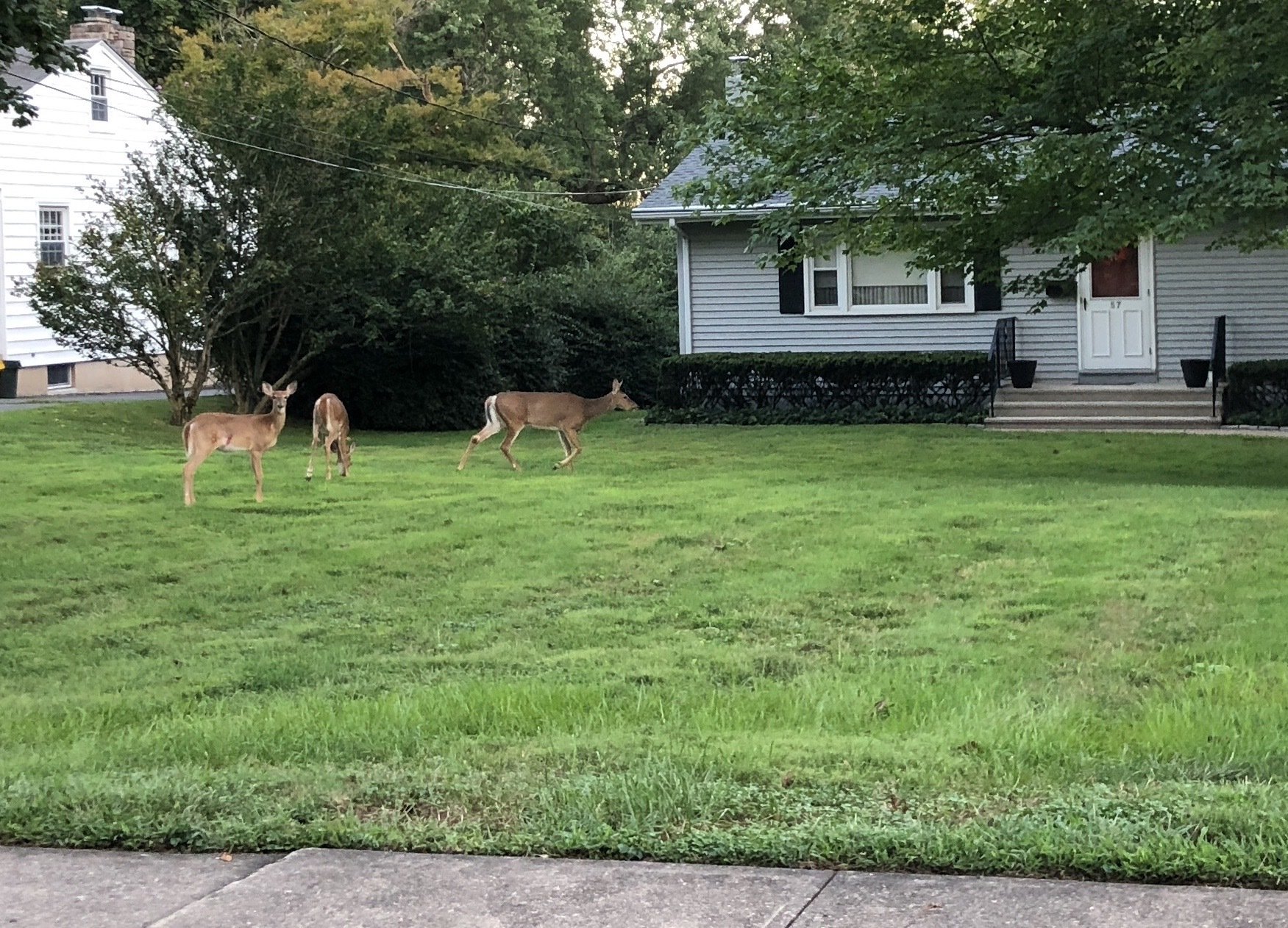

Three young deer in a front yard with green grass, near a white house with black shutters and a large tree providing shade.

At the Sourland Conservancy, we’re working with our partners, residents, and landowners to …

Restore Balance
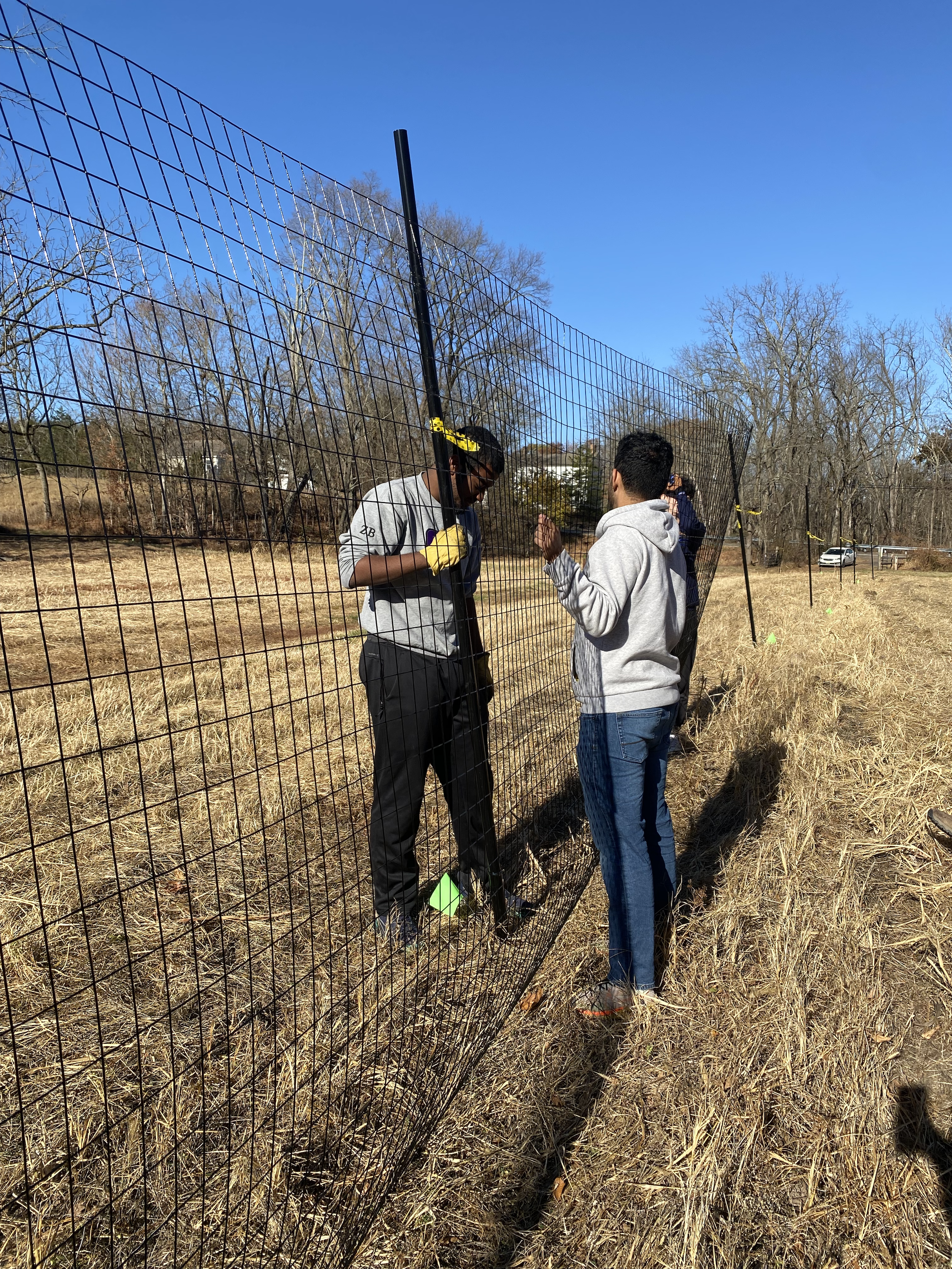
People installing a wire fence in a grassy field on a clear day.

… and preserve the health of our shared ecosystem. Here’s how you can help.

Why It Matters
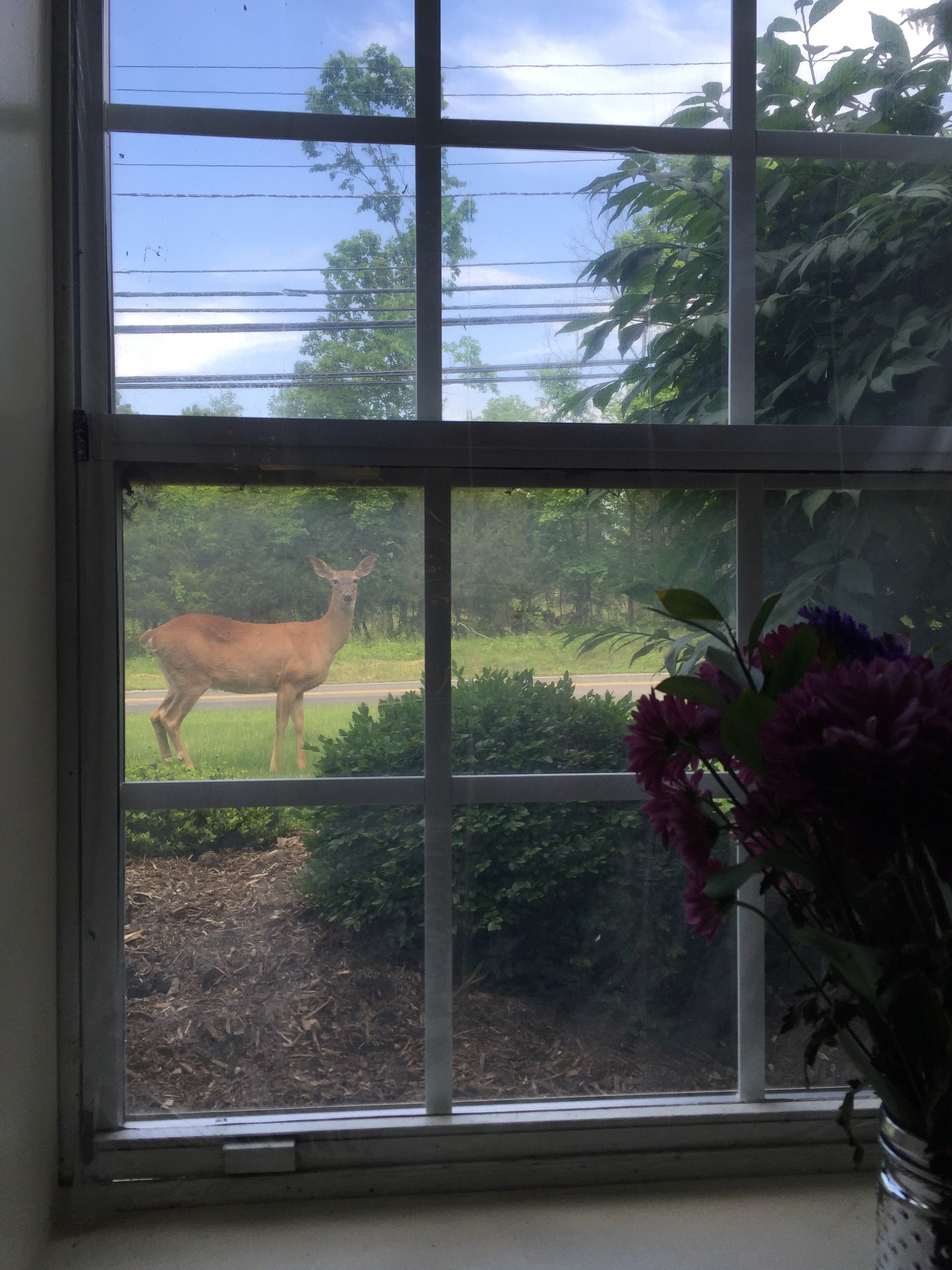
Deer outside a window with green trees and bushes, with purple flowers in the foreground.

Deer eat native seedlings, preventing future forests.
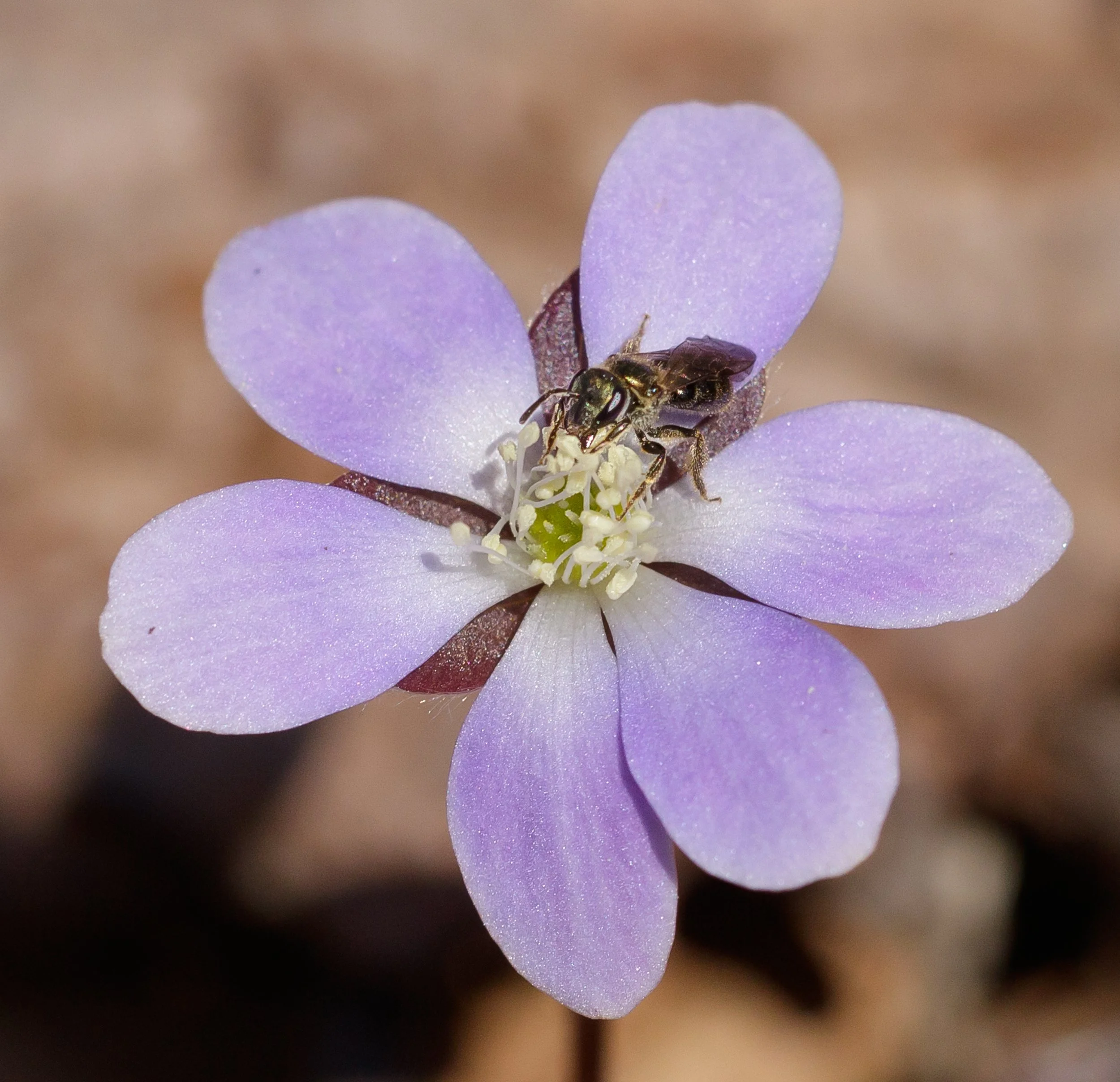
Close-up of a purple flower with a bee collecting nectar from the center.

Ground-nesting birds, pollinators, and other species lose food and habitat.
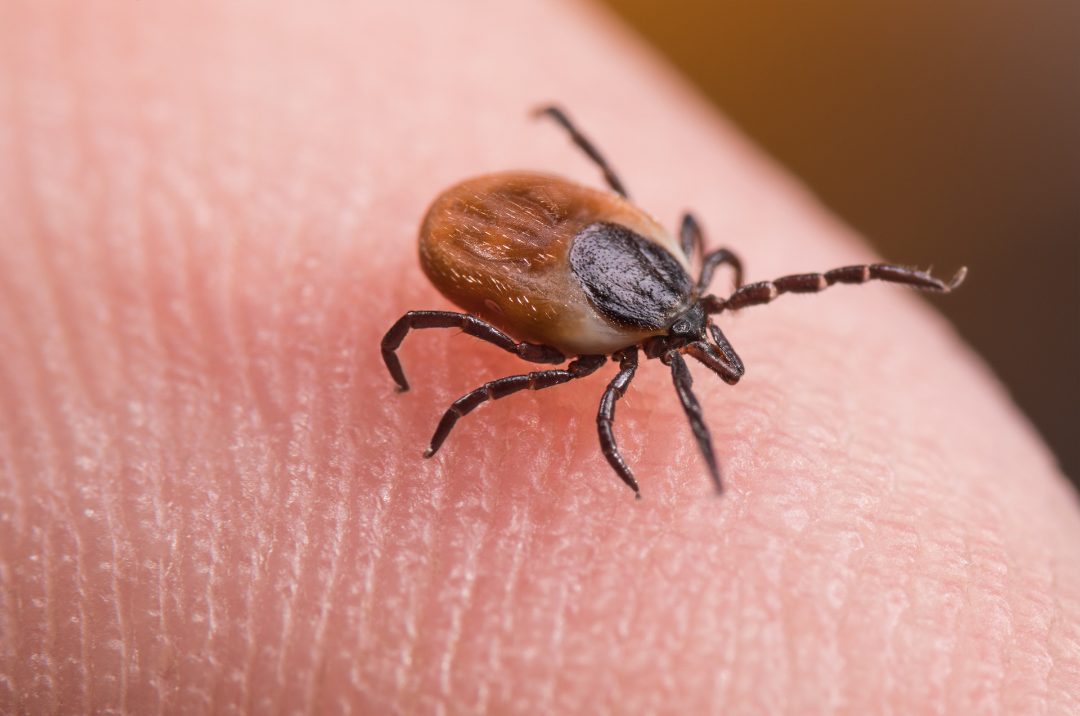
Close-up of a tick on human skin with detailed texture of the skin visible.

Ticks carried by deer increase the risk of Lyme disease.
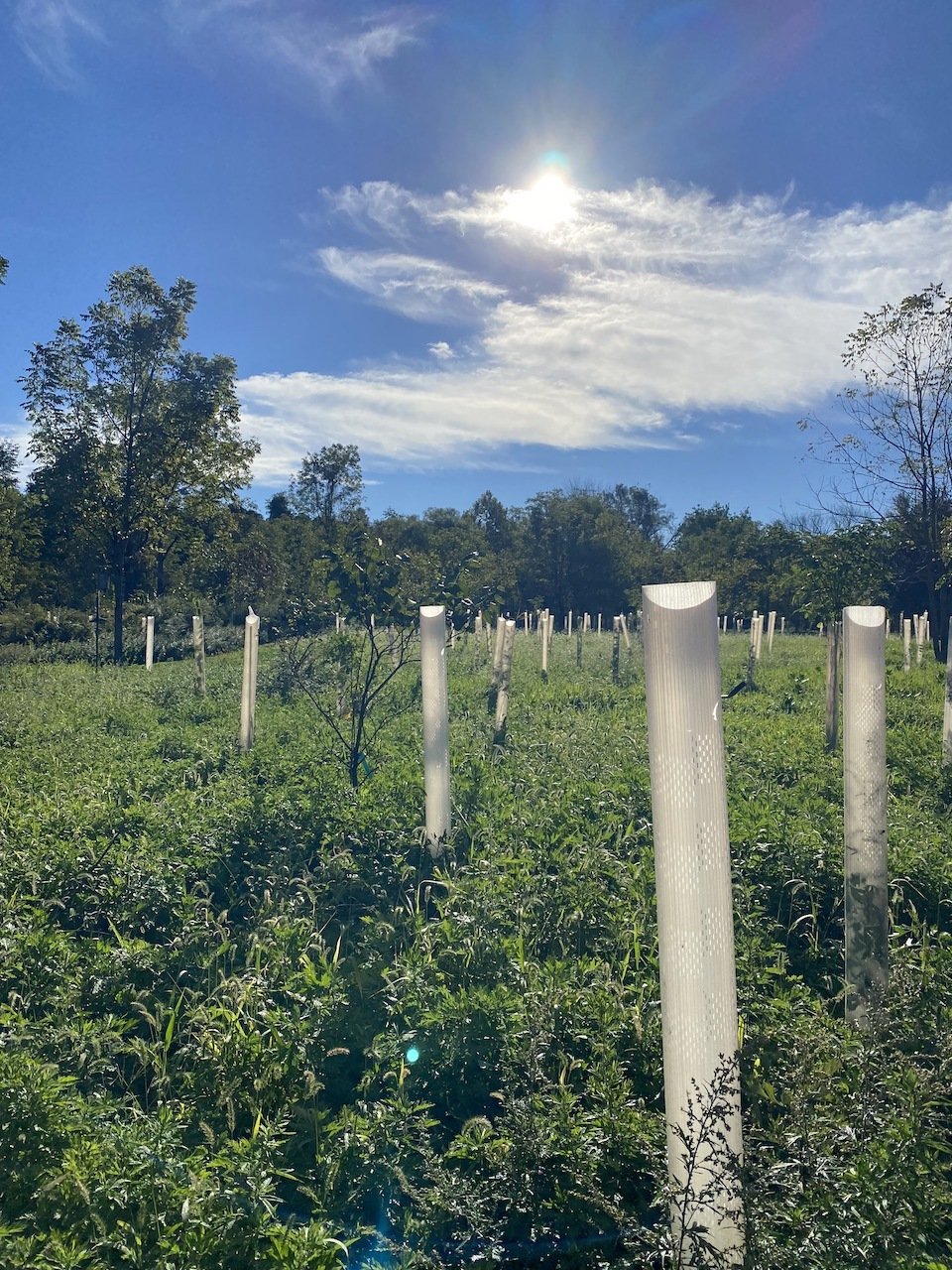
Sunny day over a green field with young trees supported by white protective tubes, with a blue sky with scattered clouds and the sun shining.

They reduce biodiversity by eliminating native understory plants and the next generation of canopy trees.
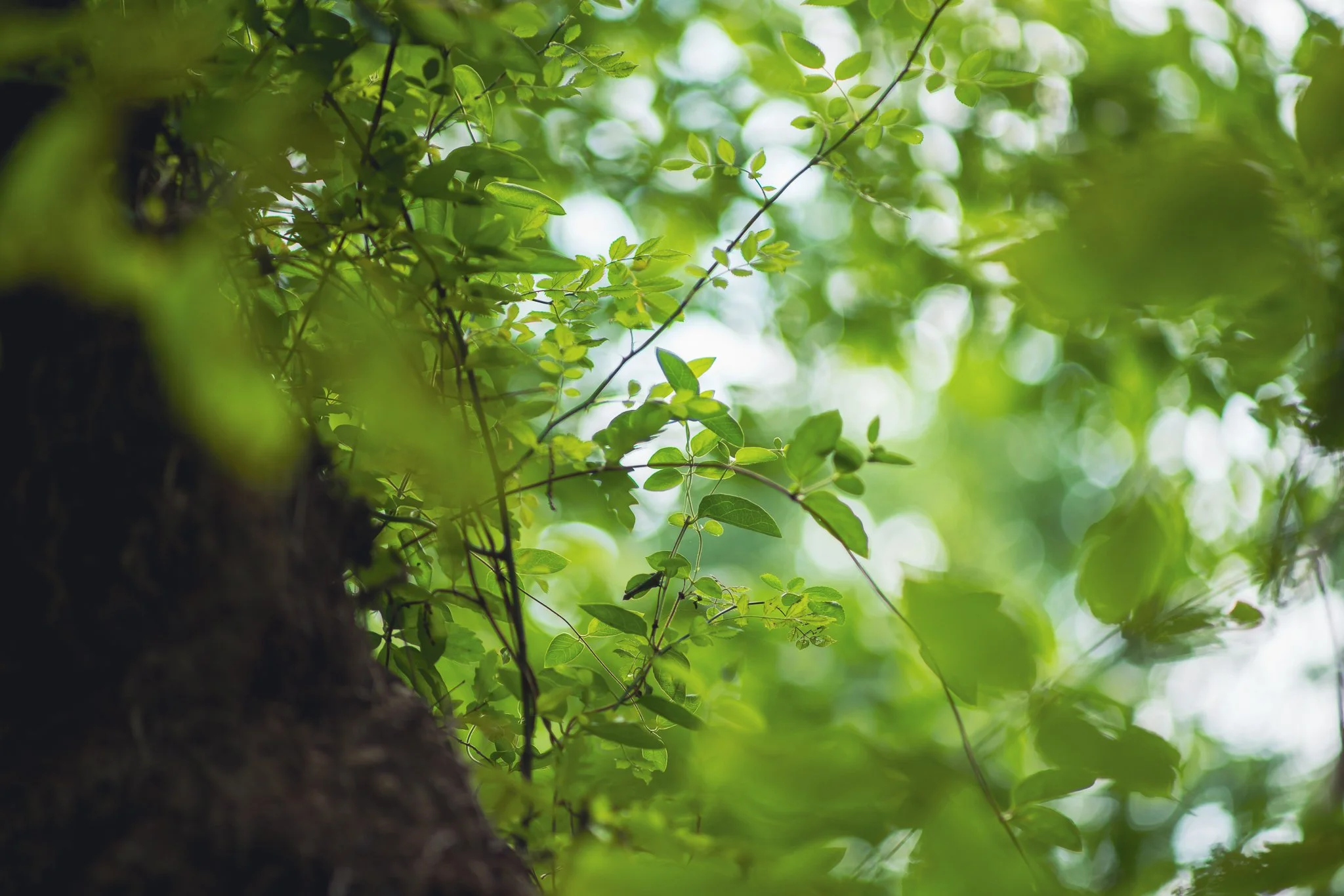
Close-up of green leaves and branches on a tree with blurred background.

Overbrowsed forests can become dominated by invasive plants.

Black and white topographic map with contour lines.

What We’re Doing?

For Residents:

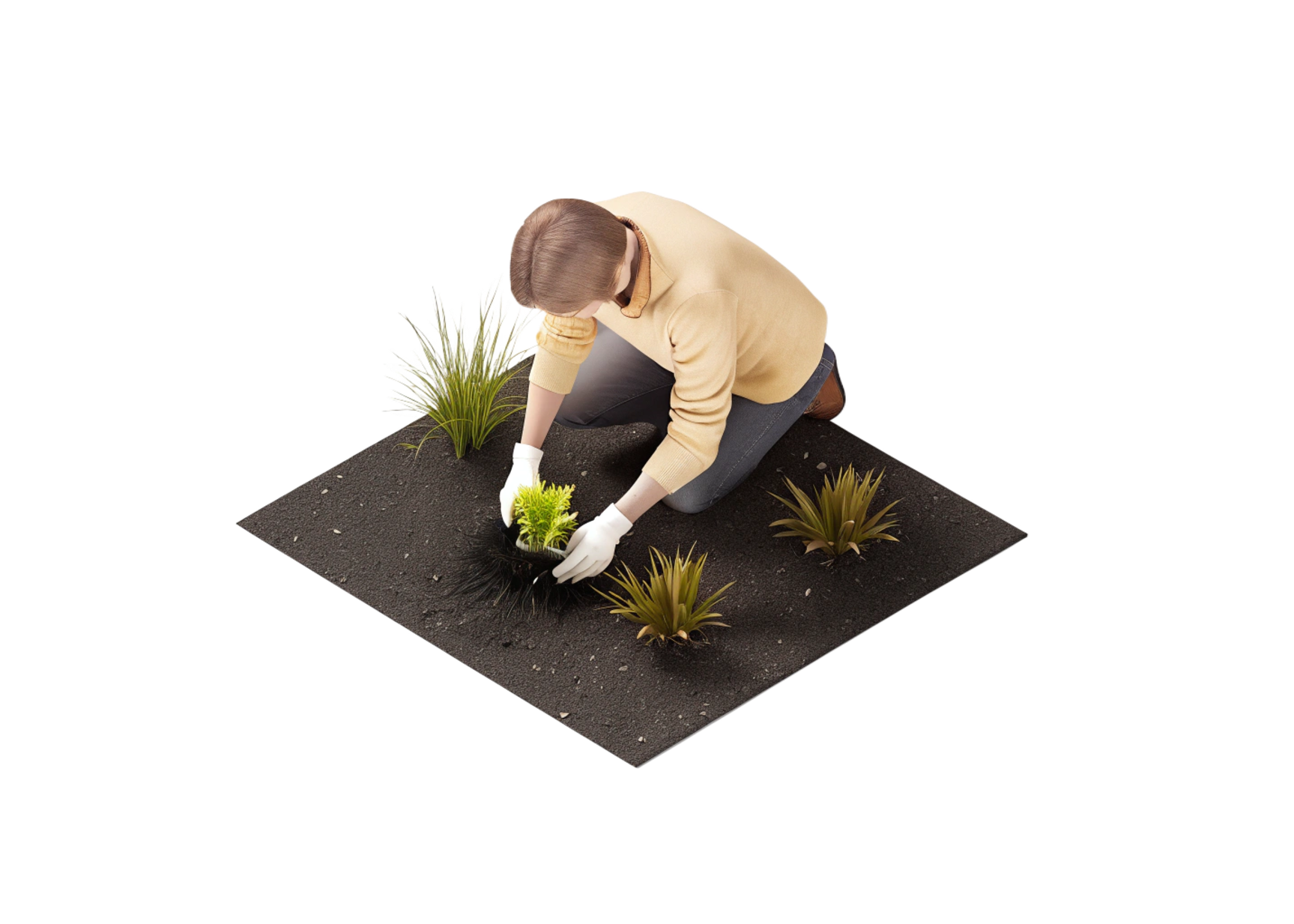
Person planting small green shrub in black soil on a gardening mat, surrounded by other plants.
A person with a raised arm and a white sign, standing outdoors on grass with a building and cloudy sky in the background.

Plant deer-resistant and native species.
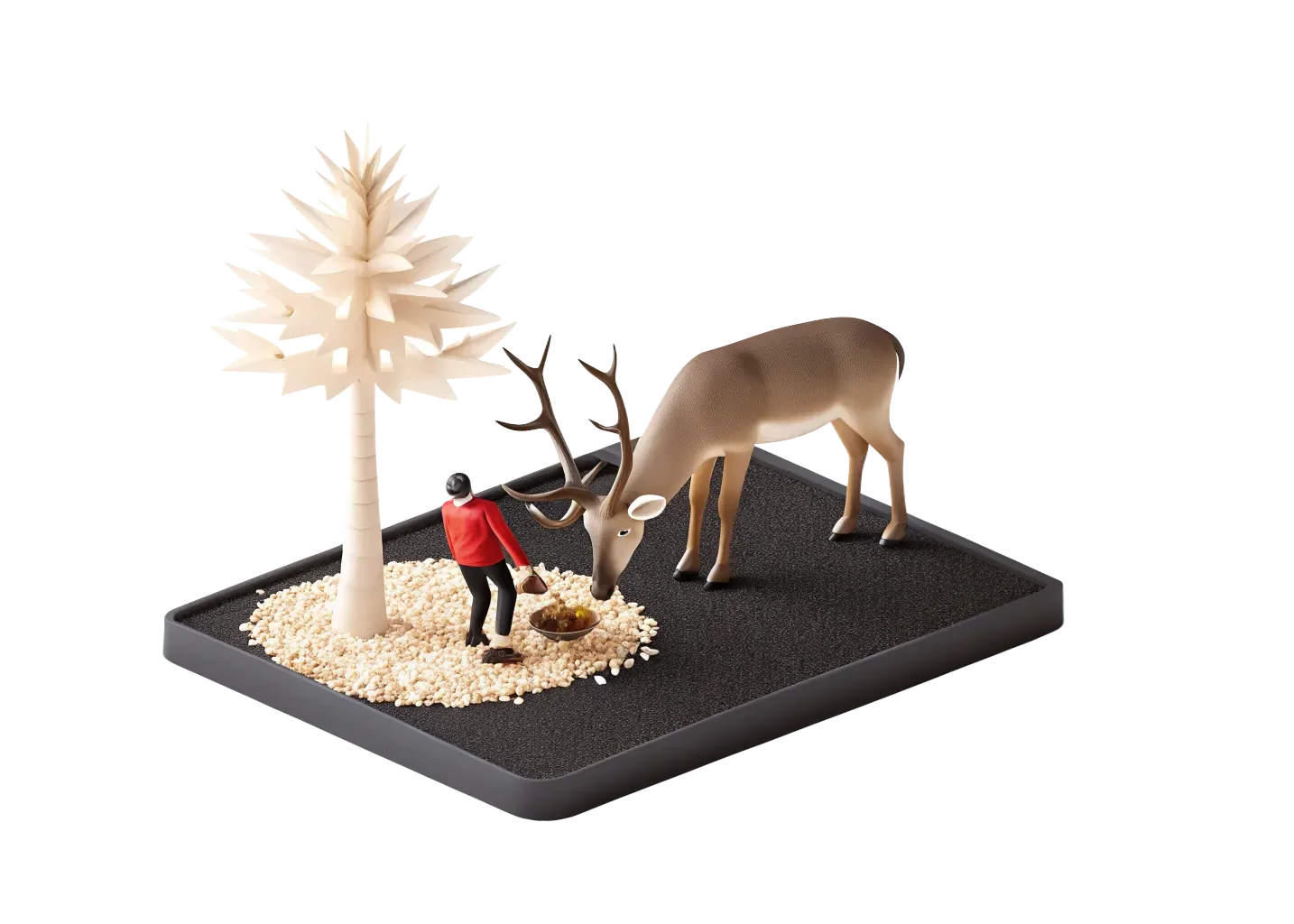
Miniature scene with a beige reindeer figurine, a small figure of a woman in black pants and a red sweater, and a white tree, all on a black platform.
A large, light green number 2 on a transparent background.

Don't feed deer from your hand

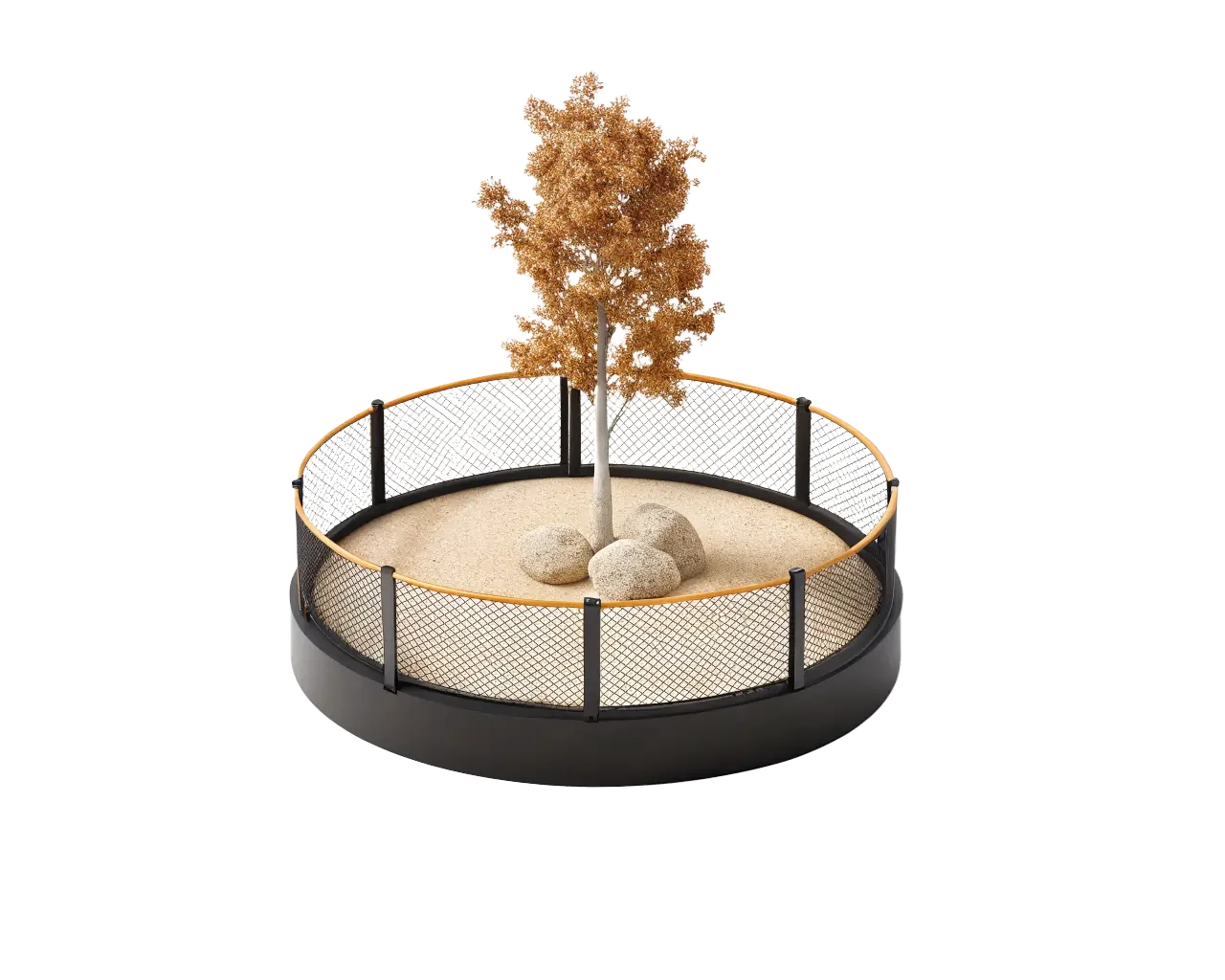
Miniature garden with a small tree, rocks, and sand enclosed by a circular black fence.
Large green number 3 on a transparent background.

Build deer barriers around plants and trees.

A toy megaphone with a cream-colored body, a wooden handle, and a red button, isolated on a black background.
Image with a large green number 4 on a light green background.

Advocate for sustainable deer management in your town.

For Businesses:
Two potted plants with dark green and purple leaves, each planted in round white containers with different sand-colored surfaces.
Abstract image with black, green, and light green areas and a geometric arrow shape.

Use native plantings in landscaping projects.

Two cartoon-style hands, one light-skinned and one dark-skinned, shaking hands.
A large, light green number 2 against a black background.

Partner with the Conservancy on habitat restoration.
A black shield emblem with white border and two stylized wooden trees inside.
A large, green number 3 on a black background.

Host educational signage or events about forest health.
Miniature landscape with a yellow tent, four pine trees, three green bushes, a grassy patch, and a dark brown pathway surrounded by a black and white border.
A person holding a cake with colorful sprinkles and candles.

Sponsor a native plant giveaway or community planting event.
Volunteer Opportunities
A dense forest of green pine trees with a dark sky above.