
By Kristen Falzon
Last year, I spent a dreary January day mindlessly scrolling through Facebook. I was deep in the winter blues and I felt a general sense of aimlessness.
A post inviting locals to attend a “Native Seed Sowing Extravaganza” caught my eye. I stopped scrolling.
In a flash, I envisioned myself in a dense home garden teeming with life. I felt sparks of purpose and inspiration flare up inside me.
Is this what birds experience when they feel the tingle of magnetic forces orienting them towards ancient migratory courses? Something inside me perked up and said, attend!
I had established a successful vegetable garden once before. I had even sown seeds indoors during the winter. But native plant gardening? Sowing seeds outdoors in milk jugs? This was new to me, and it felt exciting.
My spirit was yanked up out of apathy and into action. I marked the event on my calendar and then, on the frosty weekend morning of the event, I packed my husband and daughter into the car and geared up for winter seed sowing.
That decision turned out to be the small, simple action I needed to take to generate a ripple of hope and nourishment for myself, my family, and the wildlife that came to explore my winter-sown native plants.
What is winter seed sowing?
Winter sowing is exactly what it sounds like: planting seeds outdoors in winter and letting nature do the work.
Native plant seeds are adapted to our climate. Many actually need a period of cold and moisture to germinate - a process called cold stratification. Winter sowing mimics what would naturally happen if seeds fell to the ground in fall and waited for spring.
How are seeds sown in winter?
Seeds are sown into moistened soil within a container, typically a milk jug. The jug is then left outside to expose the seeds and soil to winter temperatures, snow, rain, and sunlight. The jug acts like a tiny greenhouse and shelters the seeds from exposure and curious critters, increasing your odds of successful germination.
Why sow seeds in winter?
From a practical standpoint, winter sowing is:
low-cost
low-maintenance
beginner-friendly
well-suited for native plants
adaptable for small outdoor spaces
If you rent or don’t have yard space to convert into a native garden, then milk jugs can be lined along a balcony, patio, porch, deck, or walkway during winter. Plants can be transplanted to a compact container garden in the spring, and into pots to give to friends and neighbors. They’ll be thrilled to receive something that you’ve grown yourself, and you will be pleased and proud.
Glimpsing your milk jugs outside throughout the winter and early spring gives you a rewarding transformation to witness. My young daughter and I had fun together, peeking into our jugs to see what had sprouted and counting the shoots. It felt like we had a head start on spring.
My seed sowing experience
I took home three plant jugs from the Extravaganza. I didn't have a garden design in mind - I just knew that I wanted pretty flowers that pollinators would enjoy. I sowed blue flag iris, eastern red columbine, and black-eyed Susan seeds. I left the jugs outside by my front door and hoped for the best.
That turned out to be enough.
By spring, tiny native seedlings appeared. The joy of tending a plant from seed and witnessing it flourish into a fully formed flower was indescribable. And it had been so easy, thanks to the milk jug method, that the reward of the experience was amplified. Transplanting the seedlings from the milk jugs to spots around my yard was a magical way to usher in the spring season.
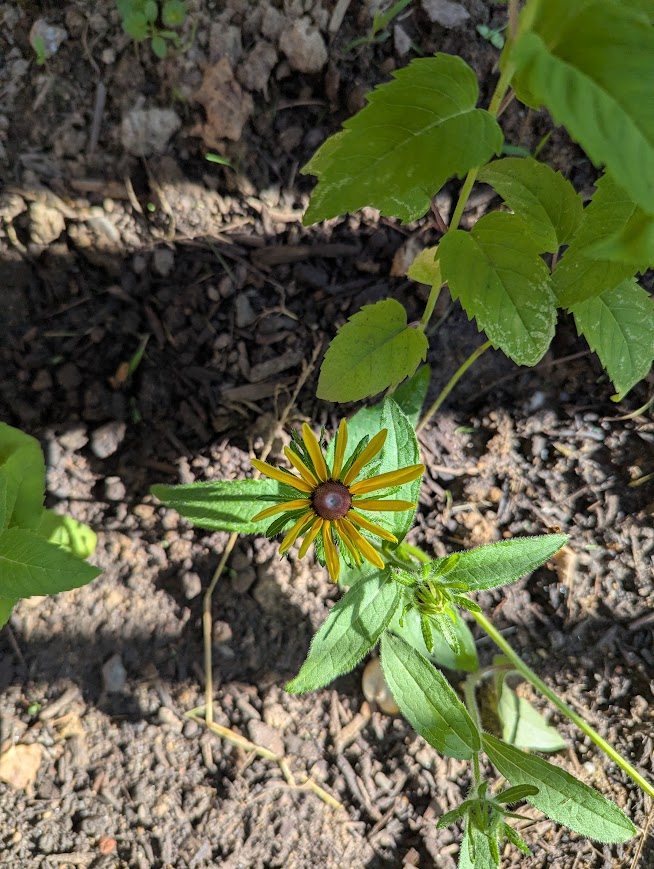
By summer, I noticed pollinators lingering. I had worried that since I didn’t have a whole native lawn - just a smattering of native plants - that pollinators would pass me by. That my small effort wasn’t enough to make an impact. I was delightfully mistaken. I spent one morning absorbed in garden-gazing when a sunny, lively family of goldfinches darted around my black-eyed Susans, blending with the flowers and animating the stalks as they perched and flitted.
I realized that on my street, which is devoid of brush piles, hedges, or much other than typical lawns, there were no places for animals to take cover from predators or human commotion. Yet there were often squirrels, birds, insects, and plant-crazed rabbits camouflaged among the flowers and grasses in my curb strip. I took great pride in offering a safe haven for wildlife that desperately deserved a respite from the chaos of humanity. Over time, my relationship with my yard began to shift - from something to manage and plan to something to observe and support. It alleviated a lot of the overwhelm. I didn’t need a master plan, just curiosity and some baby steps.
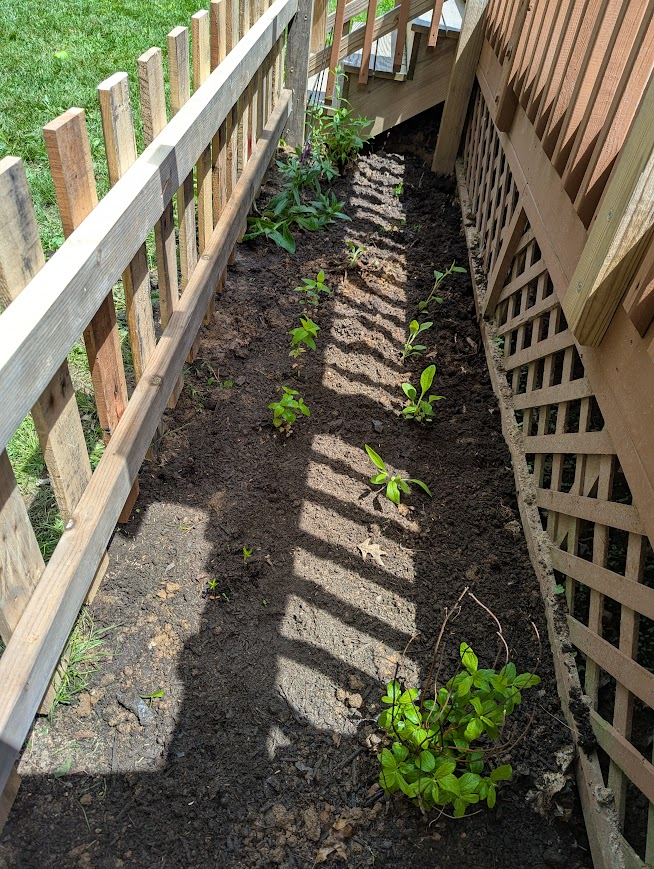
It got me thinking: if a busy mother with a preschooler in tow could scrap together a successful habitat on a shoestring budget, then this had to be attainable for others, too. I was excited to show everyone. So I began to let my front yard become an imperfect experiment in native gardening by ripping out the grass in my curb strip and turning it into a highly-visible, densely planted native pollinator habitat.
“I just have to ask,” a neighbor said to me one day as I was standing in front of my home admiring my curb garden. I tensed, anticipating admonition or reproach about my untidy, wild patches of yard. “What did you plant out front over here?” they said, gesturing towards my plants. I relaxed at the genuine curiosity in their tone and seized the opportunity to educate and, hopefully, inspire. I blabbered about native food sources, lower maintenance gardening, unlawning, and climate change.
“Right on,” my neighbor replied. “That’s wonderful.”
I had listed causes and values I had long aligned with. Now, I realized, I was truly living them.
Want to try winter sowing yourself?
Here’s how you can kickstart your own native garden this winter - no expertise required:
Save a clear milk jug or similar container, then cut it in half, leaving 1.5-2” of material under the handle to serve as a hinge.
Add drainage holes to the bottom and scoop in a few inches of soil.
Sprinkle native seeds on top.
Water lightly and close the jug. Apply tape around the seam to hold the top in place til spring.
Place it outside and let winter do the rest.
That’s it! Come spring, when temperatures begin to warm, you’ll need to open the hinged lid of the jug so that your seedlings don’t cook inside their toasty little greenhouses. Monitor the jugs to ensure the soil stays evenly moist, and when your seedlings are big enough, you can separate them and transfer them into your garden, whether that’s in a designated bed or into containers.
I imagine that, similar to my experience, you’ll feel the satisfaction of providing food and shelter for the wildlife in your community, adding stunning visual interest to your property, and modeling compassionate, simple gardening techniques for your community.
What’s Next?
The 2026 Hopewell Valley Native Seed Sowing Extravaganza is happening soon. This event launched my personal native gardening project and has offered me a creative way to leave a lasting legacy for my family and my community by improving the environment. You can learn more about the Extravaganza and RSVP here. Instead of using the DIY method detailed above, you can simply collect pre-made planters at the event and fast track your native garden for 2026.
Winter sowing is one of many small, meaningful actions that can lead to recognition through the Certified Sourland Habitat program - a framework designed to support people at every stage of their stewardship journey. You don’t need to have everything figured out. Like me, you just need to begin. Programs like this are designed to help residents turn curiosity into action, one small step at a time.
My ultimate advice is this: if learning about native gardening/winter sowing elicits a positive, physical reaction in your body (i.e. an exciting flurry in your heart/stomach), then listen to that sensation. It is your gut, your intuition, your passion - however you name that inner pull - subtly leading you towards aligned and meaningful action in your life.
For me, winter sowing was a quiet turning point. It reminded me that even in the stillest season, something meaningful can take root - sometimes in the soil, and sometimes in us.